
Most spa revenue and client loyalty are shaped during checkout, not just during the service itself. Many spas treat this moment as a simple payment step, but it’s actually where decisions about rebooking, retail purchases, and future visits often happen. When handled thoughtfully, checkout becomes a natural extension of care rather than a rushed ending.
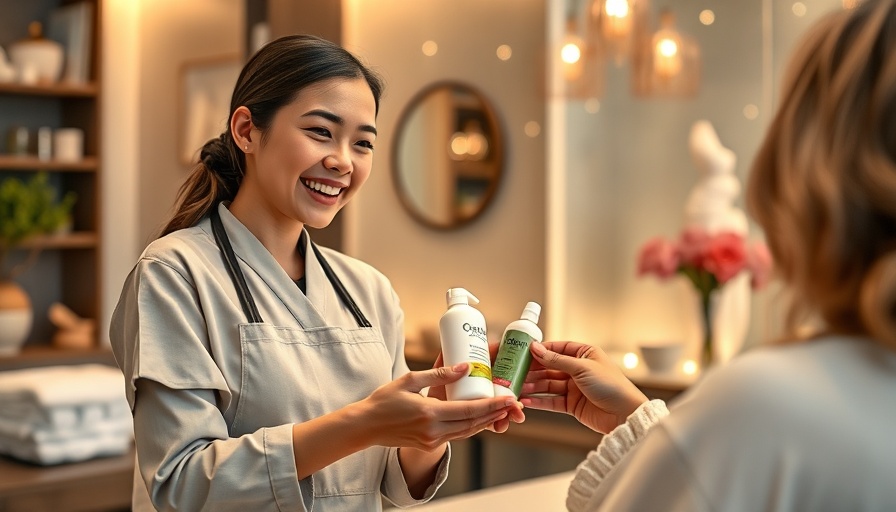
The Moment That Matters Most: How the Spa Checkout Experience Quietly Shapes Revenue, Loyalty, and Trust
The treatment room door opens slowly. A client steps out, shoulders softer, breath deeper, skin still carrying the glow of the service just received. For a moment, everything feels calm and complete.
Then comes checkout.
It’s often quick. A few taps on a screen. A total read aloud. A polite goodbye. But what if that final interaction—those last few minutes—carries more weight than most spa owners realize?
In many spas, there’s a subtle shift that happens here. The tone changes. The pace picks up. The experience that once felt unhurried suddenly moves toward closure. It’s easy to miss, but it’s there.
And it raises a quiet question: is this moment being treated as an ending—or something more?
The Quiet Power of the Final Interaction
Checkout is often seen as a routine step. The service is done. The next client is waiting. Efficiency takes over.
But people don’t experience moments in neat categories. They carry feelings forward.
Research in behavioral psychology, including the work of Daniel Kahneman, suggests that people often judge experiences largely based on how they felt at the end, rather than every moment throughout. The final interaction can play a meaningful role in shaping the overall impression.
A client may not recall every detail of a treatment—but they will remember how they felt when they left.
In one setting, a guest lingers for just a second longer at the desk, glancing back as if the calm hasn’t fully worn off yet. The staff member smiles, slows the pace, and continues the conversation. Nothing dramatic happens—but the moment feels complete.
In another, the same transition feels rushed. The tone becomes transactional. The connection fades.
It’s a small difference. But it changes how the experience is remembered.
Because when the final interaction feels thoughtful and connected, it reinforces the entire visit. When it feels hurried, it can quietly weaken that impression.
And in that contrast, something becomes clear: checkout isn’t just a process. It’s a memory-setting moment.
People rarely separate the ending from the experience itself. To them, it’s all one story.

Why Small Words Change Big Outcomes
The language used at checkout may seem minor, but it carries weight.
Consider two approaches.
One feels open-ended:
“Would you like to purchase anything today?”
The other feels guided:
“Which of these products would you like to take home to support your results between visits?”
The shift is subtle, but the experience changes.
Behavioral research suggests that people often respond differently when a decision feels expected rather than optional. It can reduce hesitation and make the next step feel more natural.
In spa environments, this doesn’t have to feel like pressure. When done well, it feels like clarity.
Observing different checkout conversations reveals a pattern. In one interaction, a staff member hesitates slightly, leaving long pauses between words. The client mirrors that uncertainty. The moment feels unsure.
In another, the tone is steady and calm. The question flows naturally. The client responds with ease.
The offer hasn’t changed. Only the delivery has.
Teams that align around consistent, confident language often create smoother, more comfortable experiences. Clients aren’t left guessing what comes next—they’re gently guided forward.
And that guidance, when done with care, rarely feels like selling.
It feels like direction.

When Recommendations Feel Like Care—Not Sales
For many spa professionals, the idea of selling can feel uncomfortable. There’s a natural hesitation. A desire to protect the experience from feeling transactional.
But there is a meaningful difference between selling and supporting. When a recommendation is clearly connected to the service a client just received, it often feels less like an add-on and more like a continuation of care. A hydration product after a facial.
A soothing balm after a deep tissue session. These suggestions align with the treatment experience and may help maintain results between visits, depending on the individual. It’s also worth noting that no single product or habit determines long-term skin or body outcomes on its own.
Results are typically influenced by consistent care over time.
Experienced spa leaders often emphasize that the most effective retail conversations don’t begin at checkout. They begin earlier—during the service—when trust is already forming.
By the time the client reaches the front desk, the recommendation feels familiar, not new. There’s also a noticeable shift when suggestions are personalized. Instead of presenting multiple options, the focus narrows. The conversation becomes specific.
A staff member might gently explain how one product could support the results just achieved. The tone is calm. The reasoning is clear. In those moments, the interaction doesn’t feel rehearsed.
It feels considered. And it leads to a deeper reflection: are clients being guided—or simply offered something? Because when care is genuine, people can usually tell.

The Subtle Role of Timing, Tone, and Trust
Even the right words can fall flat if the timing is off or the tone doesn’t match the moment. Timing plays a quiet but important role. If a product is introduced only at checkout, it can feel disconnected.
If it’s mentioned too early, before rapport is built, it may feel out of place. The most natural approach often unfolds gradually.
A brief mention during the service. A light explanation. Nothing forced. By the time checkout arrives, the conversation simply continues.
Tone, too, shapes how everything is received. Clients are sensitive to shifts in energy. A rushed voice can create pressure. A hesitant tone can signal uncertainty.
But a calm, steady presence often builds confidence. Customer service experts such as Shep Hyken often emphasize that consistency and emotional connection play a major role in building loyalty.
When clients feel at ease, they are generally more open—not just to recommendations, but to the overall experience. Trust becomes the quiet foundation underneath everything.
When it’s there, conversations feel easy. When it’s missing, even well-intended suggestions can feel uncomfortable.

Creating a Checkout Experience Clients Actually Remember
What makes a checkout experience stand out? It’s rarely about complexity. It’s about intention. A warm greeting. A moment of eye contact.
A pace that doesn’t feel rushed. A simple question about how the client is feeling after their service. These details may seem small, but they create a sense of presence.
In one spa, a client pauses at the counter, not in a hurry to leave. The conversation continues naturally. The staff member recalls a detail from a previous visit—something small, but specific.
The client smiles, visibly more engaged. Nothing about the interaction feels forced. And that’s exactly what makes it memorable.
Customer experience thinkers like Joseph Pine have long highlighted that memorable experiences are intentionally designed, with each touchpoint contributing to how value is perceived.
Even a brief checkout moment can shape that perception in lasting ways.
There’s a quiet realization here: many clients aren’t looking to be convinced. They’re looking to feel understood. When that happens, decisions—whether to rebook or purchase—often follow without pressure.
Genuine guidance has become uncommon enough that when it appears, it stands out in a meaningful way.
Where Technology Meets Personal Touch
Technology is becoming a larger part of the checkout experience in modern spas. From client profiles to integrated payment systems, digital tools can streamline operations and support personalization.
On the surface, this improves efficiency. But the real value lies in how these tools are used.
When technology helps staff remember preferences, track history, and offer more relevant suggestions, it can enhance the experience rather than replace it.
Industry consultants often emphasize that the goal is not automation alone, but improved client experience. A system might suggest a product based on a recent service—but it’s the human delivery that makes that suggestion feel relevant and thoughtful.
There’s a balance to consider. Too much reliance on technology can make interactions feel distant. Too little can mean missed opportunities to personalize.
The most effective environments tend to find a middle ground—where tools support the experience, but people define it.

Rethinking Checkout as the Beginning, Not the End
It’s easy to view checkout as the final step. The service is complete. The payment is processed. The client leaves. But that perspective may limit what’s possible.
Checkout can also be a bridge. It’s where the next appointment is gently introduced. Where a product supports the results of the service between visits. Where the relationship continues, rather than concludes.
A thoughtful checkout doesn’t feel like a closing moment. It feels like continuity. And over time, those small, consistent interactions begin to shape something larger.
A sense of familiarity. A feeling of trust. A reason to return. Because in the end, it’s often not the big, dramatic moments that define a spa experience. It’s the quiet ones. The ones that happen just before the door closes—and stay with the client long after they’ve left.
Discover more approaches to personalized service, client retention, and experience design in Customer Engagement, or return to Spa Front News for expert analysis and industry trends.
---
Prepared by the Spa Front News Editorial Team — published by DSA Digital Media.


Write A Comment