
Food-inspired spa treatments use familiar ingredients like yogurt, coffee, and botanicals to create sensory wellness experiences that feel both comforting and culturally meaningful. Many people assume spa treatments are only about visible results, but these rituals focus just as much on how the experience feels—connecting scent, texture, and tradition in a way that stays with guests long after the service ends.
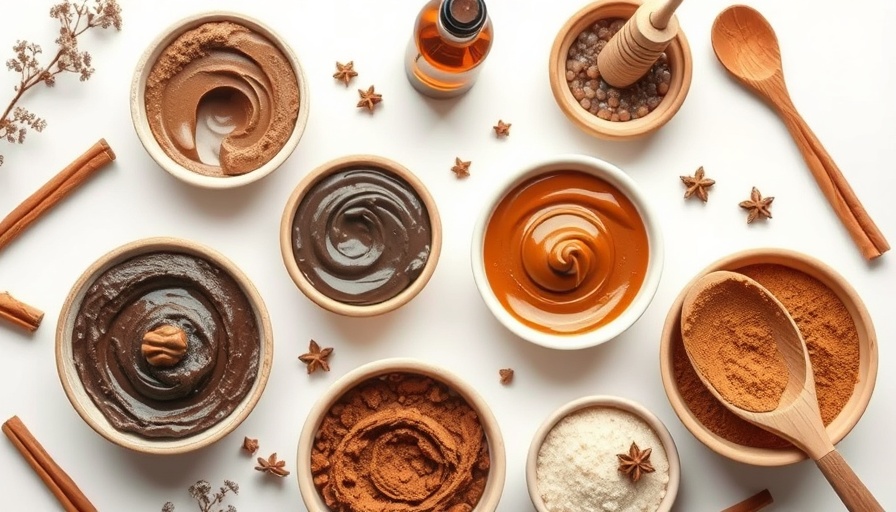
When Wellness Meets the Kitchen: How Food-Inspired Spa Rituals Are Redefining the Guest Experience
There’s a quiet shift happening inside treatment rooms around the world. What once felt like a simple facial or body wrap is turning into something more layered—more sensory, more personal, and in many ways, more familiar. Guests are no longer just looking for results they can see in the mirror. They’re searching for experiences they can feel, remember, and carry with them long after they leave the spa.
One detail stands out across many of these spaces: the air often carries a scent that feels unexpectedly familiar. Not synthetic, not overly perfumed—just something warm and recognizable. It’s a small change, but it shifts the mood almost instantly.
One of the most interesting ways this shift is showing up is through food-inspired spa treatments. Ingredients once found in kitchens are now being reimagined as part of wellness rituals, blending comfort, culture, and care into a single experience.
A New Kind of Indulgence: Why Spa Guests Are Craving Sensory, Food-Based Experiences
Today’s spa guest is different from even a few years ago. While relaxation and skincare results still matter, there’s a growing desire for something deeper—something that feels meaningful.
Industry leaders, including Susie Ellis, have pointed out that wellness is shifting toward experiences that engage the senses and create emotional connection—not just physical outcomes.
It’s not just about what a product does, but how it smells, how it’s applied, and what memories it might quietly bring back.
Food plays a powerful role in this shift. The scent of coffee, the texture of yogurt, or the sweetness of fruit can trigger memories almost instantly. These sensory connections create a kind of comfort that feels natural, not manufactured.
In many spas, there’s a noticeable pause when a treatment begins—guests seem to settle more quickly when the experience feels familiar. It’s subtle, but it changes the pace of the room.
In many ways, this trend doesn’t feel new at all. It feels like a return to something simple—using familiar, natural ingredients in ways that feel grounding and real. And that’s exactly what makes it resonate.
Wellness, more and more, is becoming something people recognize rather than something they have to figure out.

From Kitchen Staple to Skin Ritual: The Story Behind Greece’s Yogurt-Based Facials
On the sunlit island of Santorini, wellness is often tied to a concept known as “Ef Zin,” or living well. It’s not about extremes. It’s about balance, simplicity, and enjoying what’s naturally available.
At spas like NOŪS Spa, this philosophy shows up in treatments that feel both familiar and deeply intentional. One of the most talked-about ingredients is Greek yogurt—a staple in the local diet that has quietly made its way into skincare rituals.
During a yogurt-based facial, the experience begins with a gentle cooling sensation as the product is applied to the skin. The texture is soft and soothing, offering immediate relief, especially in warm climates.
In some treatment rooms, the light filters in softly through sheer curtains, and the quiet feels almost part of the treatment itself.
Greek yogurt contains proteins and beneficial compounds that may help support skin hydration and barrier function when used topically.
Paired with ingredients like white pine bark, which has been studied for its antioxidant properties, the treatment becomes more than just nourishing—it feels restorative, though individual results can vary.
But what stands out most is the simplicity. There’s something comforting about recognizing an ingredient, about knowing it’s been used for generations in both food and self-care.
It becomes less about transformation and more about returning to balance. And for many guests, that shift feels surprisingly grounding.
Coffee Beyond the Cup: How Costa Rica Turns Energy Into a Full-Body Experience
In Costa Rica, coffee is more than a morning ritual. It’s part of the country’s identity, woven into daily life and culture. At Nayara Gardens, that connection is transformed into a full-body spa experience.
The coffee wrap begins with the rich, unmistakable aroma filling the air. It’s warm, earthy, and instantly energizing.
As the treatment unfolds, the body is gently wrapped, allowing the ingredients to settle into the skin while the warmth encourages relaxation.
There’s often a quiet contrast in these moments—the scent suggests energy, but the body begins to slow down. Shoulders drop. Breathing deepens.
From a wellness perspective, coffee contains compounds like caffeine and antioxidants that are commonly used in skincare to support circulation and temporarily reduce the appearance of puffiness.
The warmth of the wrap may also promote a temporary feeling of lightness, helping guests feel refreshed and rebalanced.
What makes this experience memorable, though, is that contrast. Coffee is usually associated with movement and alertness, yet here it becomes part of stillness.
It’s a gentle reminder that even familiar rituals can take on new meaning when the setting changes.

Ancient Oils and Modern Luxury: Brazil’s Almescar Ritual and the Power of Tradition
In Bahia, Brazil, spa treatments often carry a deeper story—one rooted in tradition, community, and connection to the land.
At UXUA, the use of Almescar oil reflects the practices of the indigenous Pataxó people, who have long valued this resin for its aromatic and cultural significance.
The oil has a rich, musky scent that fills the treatment space, creating an atmosphere that feels grounding and almost meditative.
The facial itself is slow and intentional. Each movement feels purposeful, allowing the guest to settle into the experience rather than rush through it. The rhythm of the treatment seems to guide the pace of the room.
When combined with ingredients like Bahian passionfruit, the experience blends tradition with a sense of gentle indulgence. Nothing feels rushed or overly structured.
Wellness professionals often note that rituals rooted in culture tend to feel more meaningful because they carry stories with them. It’s not just about what the ingredient does—it’s about where it comes from and how it’s been used over time.
In this setting, luxury doesn’t feel excessive. It feels connected. And that connection is often what guests remember most clearly.
Why These Treatments Feel Different: The Emotional Layer Guests Can’t Always Explain
There’s a reason guests often describe these treatments as “different,” even if they can’t fully explain why.
Research from neuroscientist Rachel Herz has shown that scent is closely tied to memory and emotional response.
A familiar smell can quickly bring someone back to a moment in time, while a comforting texture can create a sense of ease and calm.
Food-inspired treatments tap directly into these responses. The ingredients are recognizable, the sensations are familiar, and the experience feels less clinical and more personal.
There’s also a storytelling element at play. When a treatment is connected to a place or tradition, it carries more meaning. Guests aren’t just receiving a service—they’re stepping into a narrative, even if only for a short time.
It’s often noticeable in how guests talk about these experiences afterward. The details they recall aren’t always technical—they’re sensory. The scent, the warmth, the feeling of being fully at ease.
And that may be the real shift happening here. Results matter, but it’s the emotional imprint that lasts.

From Global Inspiration to Local Menus: What This Means for Today’s Spa Owners
For spa owners, this trend offers more than just a new treatment idea. It presents an opportunity to rethink how experiences are designed.
Spa industry educator Annet King has long emphasized that today’s guests are looking for experiences that feel personal and meaningful. Treatments that carry a sense of story or authenticity often create stronger connections and lasting impressions.
This perspective is echoed by spa operators themselves. Leaders like Jeremy McCarthy have noted that the most memorable spa experiences are often the ones that engage multiple senses and create a feeling guests can’t easily replicate at home.
This idea is already showing up in U.S.-based spa environments as well. At The Spa at Ojai Valley Inn, treatments often incorporate locally inspired ingredients—like herbs, citrus, or botanicals native to the region—paired with rituals that reflect the surrounding landscape. The result isn’t just a service, but an experience that feels rooted in place.
Industry consultants often emphasize that the key isn’t to replicate global treatments exactly, but to draw inspiration from the idea behind them. Authenticity matters. Guests can sense when something feels genuine versus when it feels copied.
This could mean incorporating locally sourced ingredients, creating rituals that reflect the surrounding environment, or simply adding a storytelling element to existing treatments.
In practice, this often shows up in small but meaningful ways—a locally sourced ingredient highlighted during the service, or a short explanation that connects the treatment to a place or tradition. These details don’t feel like marketing. They feel like intention.
It’s also worth noting that no single ingredient or treatment defines overall skin or body health. These experiences work best as part of a broader, balanced approach to wellness.
When done thoughtfully, these treatments can elevate a menu from a list of services to a collection of experiences.
And that shift can change how guests perceive the entire spa.

The Future of Spa Wellness: Where Culture, Connection, and Creativity Intersect
As the wellness industry continues to evolve, one thing is becoming clear: guests are looking for more than surface-level care.
They want connection—to themselves, to the environment, and to something that feels real.
Food-inspired spa treatments are just one expression of this larger movement. They bring together culture, memory, and sensory experience in a way that feels both comforting and meaningful.
Leaders in the space, including Susie Ellis, continue to highlight that the future of wellness will center around experiences that feel immersive, intentional, and human.
Looking ahead, it’s likely that more spas will continue to explore this direction, blending tradition with creativity to create something entirely their own.
Because in the end, the most memorable experiences aren’t always the most complex.
They’re the ones that feel familiar, thoughtful, and quietly human.
Explore deeper analysis on spa business trends, treatment evolution, and market shifts in the Industry Trends category, or visit Spa Front News for more industry intelligence and wellness inspiration.
—
Authored by the Spa Front News Editorial Team — a publication of DSA Digital Media, dedicated to elevating the spa industry with expert insights, treatment breakthroughs, and destination features for spa owners, managers, and wellness leaders.


Write A Comment