
The revamped spa at the Four Seasons in Vail offers a calm, recovery-focused escape designed to balance the physical demands of the mountains. Many people assume a luxury spa is simply about indulgence, but here the redesign reflects a deeper shift toward restoration, nervous system care, and alignment with the alpine environment. In a destination built on high-altitude adventure, serenity has become an essential part of the experience, not an afterthought.
When the Mountains Redesign the Spa: What Four Seasons Vail Signals to the Wellness Industry
There’s a moment in Vail when the mountains stop feeling picturesque and start feeling powerful. It might happen halfway down a ski run when your legs begin to burn, or later in the evening when the altitude catches up with you and your body feels heavier than expected.
The Rockies are breathtaking, yes — but they are also demanding. They ask something of you.
At the Four Seasons Resort and Residences Vail, a recent spa transformation reflects that deeper understanding. What appears on the surface to be a design refresh — thirteen treatment rooms updated, lounges reimagined, dressing spaces elevated — reads, to spa industry professionals, as something far more strategic.
It is a recalibration of how luxury wellness aligns with environment, physiology, and evolving guest expectations.
A Redesign That Feels Rooted, Not Rebranded
Design in a mountain town cannot feel detached from its surroundings. Guests arrive immersed in nature — expansive views, rugged terrain, crisp alpine air.
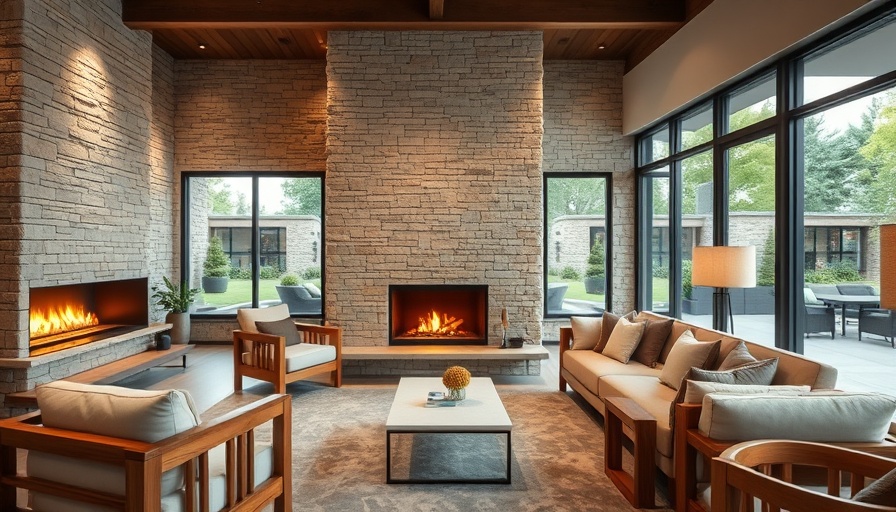
When they step inside a spa, the transition must feel seamless rather than abrupt. The updated spa at Four Seasons Vail leans into this philosophy, incorporating organic materials, muted earth tones, and subtle references to local flora that mirror the surrounding peaks.
Environmental psychologist Dr. Sally Augustin, PhD, founder of Design With Science and author of Place Advantage, has spent years studying how environments shape emotional and physiological responses.
“When people are in spaces that incorporate natural materials and patterns, their stress levels tend to decrease more quickly. The environment can either support relaxation or subtly work against it.”
For spa leaders, this insight goes beyond aesthetics. When design encourages relaxation from the moment guests enter the space, treatments often feel more effective and restorative. The environment prepares the body to slow down.
In destinations like Vail, where guests spend much of their time outdoors surrounded by dramatic landscapes, aligning interior spaces with the natural environment creates a sense of continuity that deepens the overall experience.

The Physiology of Altitude and the Rise of Recovery
Vail sits more than 8,000 feet above sea level, a fact that shapes the experience of nearly every visitor who arrives. Higher elevation means thinner air, and that subtle environmental change can affect circulation, hydration, and muscle fatigue.
Guests may not always recognize the science behind it, but they often feel the effects.
Dr. Brent Bauer, MD, Director of Complementary and Integrative Medicine at the Mayo Clinic, explains that the body must work harder to maintain balance at higher elevations.
“When we change environments, particularly to higher altitudes, the body must work harder to maintain balance. Even healthy individuals can experience fatigue, dehydration, and muscle tension as part of that adjustment.”
In an outdoor destination built around skiing, hiking, and year-round adventure, these physical demands become part of the guest journey.
That makes the spa more than a place for indulgence — it becomes an essential recovery space. Therapeutic massage, circulation-focused treatments, and calming relaxation areas all support the body’s adjustment to altitude and activity.
For the broader spa industry, the takeaway is significant. While mountain environments make recovery needs more visible, the underlying driver is universal.
Modern life creates its own version of altitude through stress, digital overload, and constant activity. Guests increasingly arrive at spas seeking restoration rather than simple pampering.

Luxury Has Quietly Redefined Itself
Not long ago, luxury spas competed on scale. Larger hydrotherapy circuits, dramatic architecture, and expansive relaxation lounges were the primary markers of prestige.
Today, the priorities of wellness travelers have shifted. Instead of being impressed by size alone, guests want spaces that help them genuinely unwind.
Dr. Andrew Weil, MD, founder of the Arizona Center for Integrative Medicine, has long emphasized the biological impact of activating the relaxation response.
“The relaxation response is the physiological opposite of the stress response. When activated, it slows heart rate, lowers blood pressure, and allows the body to shift into repair mode.”
This concept reframes what luxury wellness should accomplish. Instead of dazzling the eye, modern spa environments are increasingly designed to soothe the nervous system.
Warm lighting, natural textures, quiet spaces, and thoughtful spatial flow all contribute to a sense of calm that supports genuine relaxation.
The Four Seasons Vail redesign reflects this shift in subtle but meaningful ways. The atmosphere emphasizes warmth rather than spectacle. Materials feel natural and grounded rather than ornate.
The experience encourages guests to slow down rather than simply admire the surroundings.
For spa operators, this signals an important evolution in guest expectations. Calm has become a form of luxury in its own right.
The Integration of Wellness Into Hospitality Strategy
Spa renovations at luxury resorts rarely happen in isolation. They are typically part of a broader strategy that reflects changing guest priorities and competitive positioning within the hospitality industry.
Wellness tourism continues to grow, and travelers increasingly evaluate destinations through a health and well-being lens.
The spa plays a central role in shaping how guests perceive a property’s overall experience. In destinations like Vail, where outdoor adventure is central to the brand identity, wellness services provide a natural complement.
The Four Seasons Vail redesign illustrates how the spa can integrate into the rhythm of a guest’s stay. After hours spent skiing or exploring mountain trails, guests transition into a quieter environment designed for recovery and reflection. The shift from physical exertion to relaxation becomes part of the narrative of the visit.
For spa professionals, this integration highlights an important operational principle. The spa should not feel like a separate entity within the property. Instead, it should reflect the lifestyle and environment that define the destination itself.

Design as Emotional Architecture
Another important element of the spa’s redesign is its emphasis on authenticity. Rather than adopting a generic luxury aesthetic, the design reflects the character of the surrounding region.
Materials and color palettes evoke the alpine landscape, reinforcing the connection between the guest experience and the natural setting.
This approach aligns with the growing influence of biophilic design in wellness environments. By incorporating elements inspired by nature, spas can create spaces that support emotional well-being and mental clarity.
For spa leaders, this principle is widely applicable. Authenticity does not require a large budget or dramatic architecture. Even small design choices — such as regional materials, natural lighting, and calming textures — can shape the emotional tone of a space.
In Vail, the design tells a clear story: the mountains challenge the body, and the spa provides the balance that restores it.
A Blueprint Hidden in the Snow
At first glance, the transformation of the spa at the Four Seasons Resort and Residences Vail may appear to be a localized upgrade within a luxury ski destination. But viewed through the lens of the spa and wellness industry, it reflects a broader shift.
It highlights how design, environment, and physiology can work together to shape meaningful wellness experiences. It demonstrates how recovery-focused services are becoming central to luxury hospitality. And it reinforces the idea that spas must evolve alongside changing guest expectations.
Mountain resorts like Vail make these dynamics especially visible. Guests arrive seeking adventure, but they also seek restoration after that adventure. The spa becomes the bridge between the two.
For spa owners, managers, and directors watching the industry evolve, the lesson is less about replicating the look of a Colorado mountain spa and more about embracing intentional restoration.
Today’s clients evaluate wellness spaces based on how they feel when they leave, not simply how impressive the space appears when they arrive.
The mountains outside Vail demand resilience from those who explore them. Inside the spa, the answer is warmth, calm, and thoughtful design. And within that balance lies a quiet signal about the future of the wellness industry.
Luxury, increasingly, is not about excess.
It is about recovery. Continue exploring spa treatment advancements, destination experiences, and industry updates in Spa News – Treatments & Destinations, or browse wider spa industry coverage on Spa Front News.
---
Brought to you by the Spa Front News Editorial Team — a DSA Digital Media publication focused on spa innovation and destination excellence.


Write A Comment