
Combining cultural remedies with modern spa treatments can be done safely when spa professionals understand how ingredients interact and set clear, thoughtful boundaries. This matters because even well-loved natural traditions can behave differently when layered with clinical products, affecting both results and skin health. With the right knowledge and communication, spas can honor cultural practices while still protecting clients and maintaining professional standards.
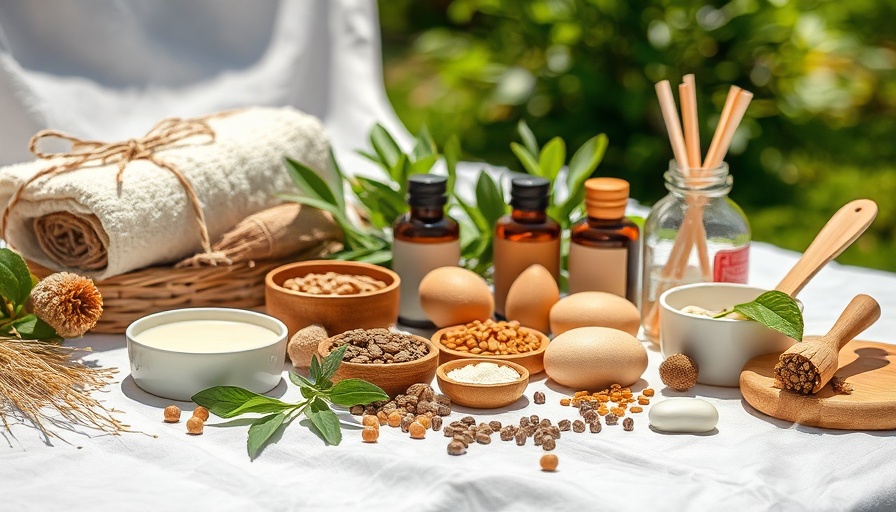
The Perfect Storm: When Cultural Home Remedies Meet Modern Spa Treatments
There’s a pause that happens in treatment rooms everywhere. Not dramatic. Not uncomfortable. Just a moment where everyone slows down.
A client mentions something they’ve used for years. A therapist recognizes the ingredient immediately—and weighs what to do next. The hesitation isn’t about doubt. It’s about care.
As spas serve increasingly diverse communities, these moments are no longer rare. Cultural home remedies are arriving alongside professional protocols, often carrying history, trust, and expectation. Sometimes the integration is seamless. Other times, it raises quiet questions about safety, compatibility, and responsibility.
For spa professionals, the challenge isn’t whether tradition belongs in modern wellness spaces. It’s how to hold tradition thoughtfully—without compromising skin health or professional integrity.
When Heritage Enters the Room
Many skincare traditions weren’t designed to be standardized. They evolved through daily life—adapted to climate, availability, and experience. Shea butter warmed by hand. Rice water saved and reused. Honey applied slowly, without measurement.
In spa settings, these ingredients rarely arrive as neutral requests. They often carry memory and meaning. A client may not frame it that way, but the attachment is there.
That context matters. Ignoring it can feel dismissive. Accepting it without discernment can create risk. The work lives in recognizing the significance while still practicing within safe, informed boundaries.

Why “Natural” Still Requires Care
There’s a common assumption—among clients and sometimes within the industry—that natural ingredients are inherently gentle.
They aren’t.
Plant-based ingredients can be potent, reactive, and unpredictable, especially when layered with modern actives. Board-certified dermatologist Dr. Whitney Bowe has long emphasized that formulation matters more than origin.
“Natural ingredients can be incredibly powerful. Without understanding concentration, formulation, and interaction, they can irritate the skin just as much as synthetic compounds.”
In treatment rooms, this reality shows up quietly. Oils that interfere with absorption. Botanicals that intensify exfoliation. Ingredients that feel nourishing on their own but behave differently once combined.
None of this diminishes tradition. It simply underscores how context changes outcome.
The Chemistry Clients Never See
Modern skincare relies on precision—pH balance, delivery systems, timing. Products are designed to work in sequence, not in isolation.
When cultural remedies are added without adjustment, that precision can slip. Dermatologist Dr. Shereene Idriss, known for her work with skin of color, often points out that interaction is the deciding factor.
“Ingredients don’t exist in isolation on the skin. They interact with each other, with the skin barrier, and with what’s been applied before or after.”
For spas serving a wide range of skin tones and sensitivities, this matters deeply. What works beautifully for one client may lead to inflammation or pigmentation issues for another. Safety isn’t about uniform rules—it’s about informed judgment.

The Unspoken Pressure Professionals Carry
There’s a quiet tension behind many treatment decisions. The desire to be culturally respectful. The responsibility to deliver results. The awareness that one misstep can affect a client’s skin—and a spa’s reputation.
Clients may feel vulnerable sharing practices tied to family or identity. Practitioners may feel equally exposed navigating requests that sit outside standard protocols. When outcomes fall short, it’s rarely due to indifference. More often, expectations weren’t aligned early enough.
This is where empathy becomes operational—not emotional.
Inclusion That’s Grounded, Not Performative
True inclusion in spa environments doesn’t come from agreeing to everything. It comes from knowing how to adapt responsibly and explain those choices clearly.
Dermatologist Dr. Deshan Sebaratnam, recognized for integrating traditional knowledge with clinical care, frames it simply:
“Respecting cultural practices means understanding their roots and adapting them thoughtfully—not copying them blindly.”
In practice, that may mean using professionally formulated products inspired by traditional ingredients. Or separating cultural rituals from active treatments rather than layering them together. Clear structure allows respect to exist without risk.
Why the Consultation Carries So Much Weight
Some of the most consequential moments in a spa happen before the service begins.
When intake conversations allow room for meaning—not just symptoms—clients feel acknowledged. When risks are explained plainly, without alarm or dismissal, trust builds.
Holistic dermatologist Dr. Nina Desai often emphasizes that safety and inclusion grow from dialogue.
“Safety doesn’t require stripping away tradition. It requires conversation, clarity, and shared decision-making.”
Those conversations determine whether a treatment feels collaborative or uncomfortable long before the first product is applied.

Systems That Support Both People and Practice
For spa owners and directors, empathy has to be designed into operations. Clear protocols, education around ingredient interaction, patch testing, and transparent communication protect both clients and staff.
When teams understand why certain combinations are avoided, they don’t have to rely on hesitation or instinct. They can explain decisions calmly and confidently. That preparation turns cultural integration from improvisation into intention.
Why This Conversation Matters Now
Clients are paying closer attention—not just to outcomes, but to how care is delivered. They’re asking better questions. They’re noticing how decisions are explained.
Spas that navigate cultural integration with care aren’t chasing trends. They’re responding to a broader shift toward wellness that feels personal, respectful, and informed.
The future of spa care isn’t about choosing tradition or science. It’s about holding both without forcing either to perform.
When cultural meaning is honored and ingredient interaction is understood, the result is quiet confidence. Treatments feel grounded. Decisions feel considered. Trust grows without needing to be announced.
And in a space built on care, that quiet assurance often matters most.
Explore more stories on emerging spa treatments, destination highlights, and industry trends in Spa News, Treatments & Destinations, or return to Spa Front News for broader spa business insights and expert commentary.
---
Authored by the Spa Front News Editorial Team — a publication of DSA Digital Media, dedicated to elevating the spa industry with expert insights, treatment breakthroughs, and destination features for spa owners, managers, and wellness leaders.


Write A Comment