
Podcasting has quietly become a powerful marketing channel for day spas, not because it drives quick promotions, but because it builds trust, familiarity, and emotional connection through long-form, voice-based storytelling. This article examines why podcasts work so well for spa and wellness brands—and why common marketing explanations that focus on reach or advertising miss the deeper value of intimacy, attention, and alignment with how people actually engage with self-care content today.
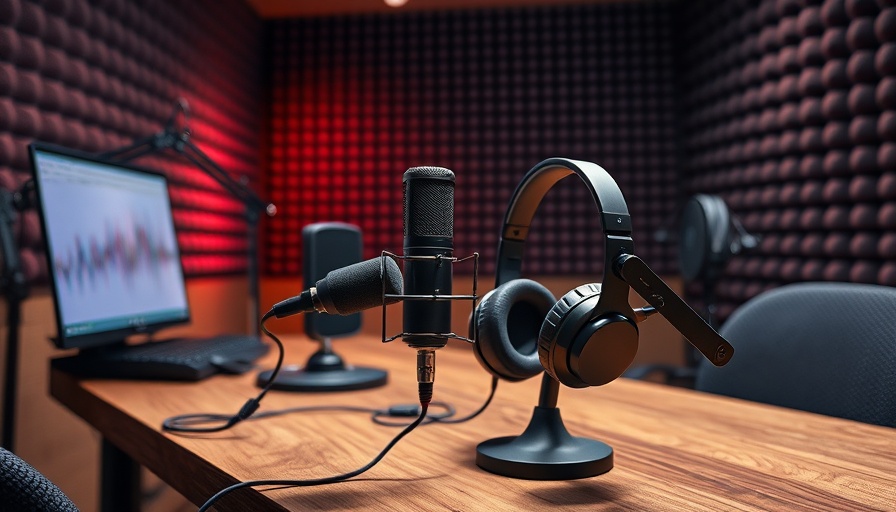
The Podcasting Revolution: Engaging with Day Spa Enthusiasts
There’s a moment that happens late at night, or early in the morning, when the world feels quieter. Someone slips on headphones while driving to work, folding laundry, or lying on the couch after a long day. In that calm pocket of time, a voice comes through—steady, personal, and unhurried. That voice feels close. Trusted. Almost familiar.
This is where podcasts live. And in 2025, this is exactly where day spas are beginning to belong.
Podcasting isn’t loud, flashy marketing. It doesn’t interrupt. It invites. For an industry built on trust, relaxation, and human connection, podcasts offer something rare: a way to speak directly into someone’s life when they’re already open to listening.
The Quiet Power of Being Invited Into Someone’s Day
Traditional advertising fights for attention. Podcasts earn it.
When someone presses play, they’re choosing to let you in. That choice changes everything. A podcast episode isn’t skimmed like a social post or skipped like an ad. It’s absorbed slowly, often over 20, 30, or even 60 minutes. That kind of time is almost unheard of in modern marketing.
For a day spa, this means your story doesn’t have to be squeezed into a slogan. You can explain why you do what you do. You can talk about the nervous system, stress, skin health, burnout, or the simple joy of being cared for. You can sound like a real human—because you are one.
And the listener? They’re already in the right headspace. Podcasts are most often consumed during moments of self-focus: commuting alone, walking, resting, or decompressing. That makes wellness messages land deeper.
Why Podcasts Feel So Natural for the Spa World
Spas don’t sell urgency. They sell relief.
Podcasting matches that rhythm perfectly. There’s no rush. No hard close. Just conversation, insight, and presence. When spa owners use podcasts—either as guests or hosts—they’re meeting people in a way that mirrors the spa experience itself: calm, intentional, and personal.
Listeners who gravitate toward wellness podcasts already care about self-care. They’re curious. They’re reflective. Many are actively looking for ways to feel better in their bodies and minds. That alignment makes podcasts less about persuasion and more about resonance.
Marketing educator and author Seth Godin has long emphasized the value of permission-based connection in modern marketing.
“People don’t buy goods and services. They buy relations, stories, and magic.”
In the spa world, the “magic” isn’t just a treatment—it’s how someone feels before, during, and after. Podcasts give spa owners space to tell that story without compressing it into a sales pitch.

Hosting vs. Guesting: Two Paths, Same Destination
Some spa owners feel intimidated by the idea of launching a podcast. Others jump in with excitement. The truth is, both hosting and guesting can be powerful—and they serve different purposes.
Being a guest on an established wellness, lifestyle, or local podcast is often the easiest entry point. You borrow an existing audience and simply show up as the expert. You talk about stress, skincare, recovery, or what clients misunderstand about self-care. You don’t need fancy equipment. You just need clarity and authenticity.
Entrepreneur and podcasting educator Pat Flynn often speaks about the trust podcasts build faster than almost any other channel.
“Podcast listeners feel like they know you. That trust transfers faster than through almost any other medium.”
That trust is gold for spas. When someone hears you speak thoughtfully for 30 minutes, booking an appointment feels less like a risk and more like a natural next step.
Hosting your own podcast, on the other hand, creates a long-term asset. Even a short, biweekly show can become a library of evergreen content—episodes that keep working for you long after they’re published.
What a Spa Podcast Actually Sounds Like
This is where many spa owners overthink things. A spa podcast doesn’t need celebrity guests or studio-level production. In fact, simpler often works better.
Picture a 10-minute episode called “Why Your Body Doesn’t Relax Right Away” or “What We Notice After a Client’s Third Visit.” These aren’t sales episodes. They’re educational, reassuring, and human.
You might talk about why stress lingers even after vacation. Or why consistency matters more than one-off treatments. Or how skin reflects emotional health. These conversations position your spa as thoughtful and credible—without ever saying “book now.”
Online marketing educator Amy Porterfield emphasizes clarity over complexity when it comes to content that converts.
“The most effective content doesn’t impress—it connects. When people feel understood, they take action.”
A spa podcast works best when listeners feel seen. When they think, “That’s me. That’s what I’ve been feeling.”

The Science Behind Why Voices Build Trust
There’s a reason voice feels different from text. Hearing someone speak activates emotional processing in the brain. Tone, pace, and warmth all matter.
Research from the Touch Research Institute, led by Tiffany Field, has long shown how human connection—whether through touch or calm communication—reduces cortisol and supports relaxation.
“Human connection, even without physical touch, plays a powerful role in reducing stress and improving emotional well-being.”
A podcast can’t replace a massage—but it can create a sense of safety and familiarity before someone ever walks through your door. For first-time clients, that emotional comfort is often the deciding factor.
Podcast Sponsorships: A Soft Entry With Big Impact
Not every spa needs to be on the mic. Sponsoring a podcast can be just as effective—sometimes more so.
When a host casually mentions your spa as part of their show, it doesn’t feel like an ad. It feels like a recommendation from a trusted friend. Especially on local or niche wellness podcasts, this kind of exposure reaches people who are already primed to care.
Short sponsor messages that focus on experience rather than discounts tend to perform best. Think: “a quiet place to reset” instead of “20% off.”
The goal isn’t urgency. It’s alignment.
Mobile Listening and the Rise of Micro-Moments
One of the biggest shifts in podcasting is where and how people listen. Mobile-only listening continues to rise, meaning your message travels with someone throughout their day.
They hear you while stuck in traffic. While stretching after a workout. While trying to calm their thoughts before bed. These micro-moments add up. Over time, your spa becomes associated with relief, clarity, and calm—long before a booking happens.
That emotional association is incredibly powerful, especially in an industry where people often delay self-care until they feel overwhelmed.

Turning Listeners Into Clients—Without Pushing
The most effective spa podcasts don’t push people to book. They invite curiosity.
Offering a free consultation, a short guided relaxation, or a downloadable checklist at the end of an episode gives listeners a gentle next step. It feels generous, not transactional.
Sharing anonymized client stories—moments of transformation, relief, or realization—helps listeners imagine their own experience. Storytelling does the work quietly.
And when they’re ready, your spa is already familiar.
Why This Moment Matters Now
Podcasting isn’t new—but its role in wellness marketing is evolving. As people grow tired of loud, algorithm-driven platforms, they’re seeking slower, more meaningful content.
Podcasts meet that need. They feel human in a digital world that often doesn’t.
For day spas, this isn’t just another marketing channel. It’s an extension of the care you already provide—offered through sound instead of touch.
When done thoughtfully, podcasting doesn’t just bring in new clients. It deepens your relationship with the ones who haven’t arrived yet.
And in a world full of noise, being the calm, trusted voice someone chooses to listen to might be the most powerful marketing move of all.
Continue learning how to enhance your spa’s online presence inside Digital Marketing, or discover broader spa trends and business insights on Spa Front News.
---
Brought to you by the Spa Front News Editorial Team — a DSA Digital Media publication devoted to empowering spa leaders with actionable intelligence and expert-driven coverage.


Write A Comment