Social media success for day spa owners comes from treating online presence as part of the client experience, not just a place to post promotions. Many spas assume growth depends on constant posting or chasing trends, but real results come from clear branding, consistent messaging, and building trust before a guest ever walks through the door. When social media reflects the same calm, professional atmosphere clients expect in person, it becomes a powerful driver of loyalty and bookings.
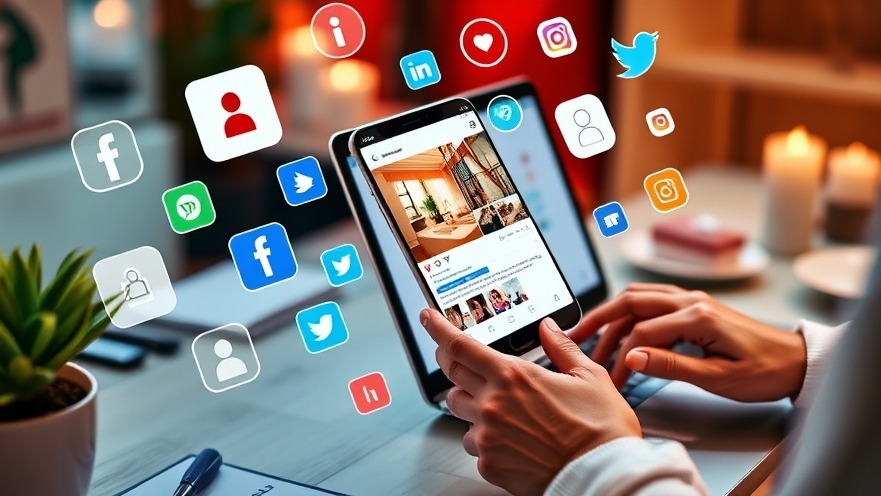
Social Media as a Game-Changer for Day Spas
If social media feels like it’s moving faster than your spa can keep up with, you’re not imagining it.
Between managing staff schedules, overseeing inventory, supporting providers, and ensuring every guest has an exceptional experience, posting consistently can feel like one more responsibility competing for your attention. Yet in today’s landscape, social media isn’t a side project. It’s often the very first impression someone has of your spa.
Before they ever inhale the scent in your treatment room, they scroll your feed.
They look at your photos. They read your captions. They check your reviews.
And within seconds, they begin forming an opinion.
At industry gatherings like IECSC New York, one theme continues to surface: social media is no longer just marketing. It’s the modern front desk.
For spa owners who approach it intentionally, it becomes less about chasing likes and more about building trust. And trust is what turns curious browsers into loyal, repeat clients.
The First Appointment Happens Online
Long before someone books a facial, massage, or body treatment, they conduct quiet research.
They want to know:
Does this spa feel clean?
Does it feel calm?
Do the providers look experienced?
Is the atmosphere aligned with what I’m seeking?
Much of this evaluation happens on platforms like Instagram and Facebook. Your social presence becomes a preview of your physical space.
If your feed feels cohesive, warm, and professionally curated, that feeling transfers instantly. Even subtle details—consistent lighting, thoughtful captions, a clear brand voice—signal care and intention.
On the other hand, if your feed feels inconsistent or outdated, hesitation can creep in. That hesitation may be small, but in a competitive spa market, small doubts can redirect bookings elsewhere.
Your social media isn’t separate from your spa experience. It extends it.
When your online tone mirrors the tranquility and professionalism clients experience in person, confidence forms naturally. The digital and physical experiences begin to feel seamless.

Trends Aren’t About Copying — They’re About Listening
Every few weeks, a new social media trend seems to dominate. A trending audio clip. A popular editing style. A viral transition.
It’s easy to feel like you need to participate in every one.
But the most successful spa brands aren’t chasing trends blindly. They’re observing them carefully.
A trend works because of the emotion it evokes. It might communicate relief, humor, transformation, or aspiration. When you understand the emotional pull behind a trend, you can adapt it in a way that aligns with your spa’s identity.
For example, if a trend emphasizes transformation, a spa might showcase a subtle before-and-after skincare improvement. If a trend emphasizes calm, a spa might highlight the quiet ritual of preparing a treatment room.
The key isn’t replication. It’s interpretation.
Many forward-thinking spa owners also look beyond the beauty industry for insight. They follow wellness educators, lifestyle creators, medical professionals, and even hospitality brands to understand how language and expectations are evolving.
Relevance doesn’t mean imitation. It means staying aware of how your audience’s preferences are shifting—and responding thoughtfully.
Automation That Strengthens Relationships
Automation often sounds impersonal. But when used intentionally, it can strengthen connection rather than weaken it.
In a busy spa environment, remembering to follow up with every client manually isn’t realistic. That’s where email and text marketing systems become powerful.
A first-time guest can automatically receive a welcome sequence explaining what to expect at their next visit. A loyal monthly client can receive early access to seasonal promotions. A guest who hasn’t booked in six months can receive a gentle reminder with an incentive to return.
This isn’t about blasting promotions. It’s about segmenting your audience.
Segmentation allows you to send targeted messages based on behavior and history. A skincare-focused client may appreciate educational tips on active ingredients. A massage client may value stress-relief reminders and wellness advice.
When communication feels personalized, clients feel remembered.
Automation ensures consistency. It doesn’t remove humanity—it supports it.

Turning Followers Into Community
A large follower count can feel exciting. But engagement is what builds revenue.
Community forms in smaller, quieter interactions.
When you respond thoughtfully to a comment, you reinforce connection. When you share behind-the-scenes glimpses of your team preparing for a busy Saturday, you humanize your brand. When you post skincare education that genuinely helps someone improve their routine, you build authority.
These small moments compound over time.
You might notice certain clients consistently interacting with your content. They comment. They share. They tag friends.
That’s not random.
That’s relationship-building happening digitally.
And in service-based industries like spas, relationships are everything. Repeat bookings, referrals, and long-term loyalty often stem from how clients feel—not just from what they purchase.
Collaboration Over Competition
In competitive markets, it’s natural to feel protective. But collaboration often unlocks growth that isolation cannot.
Consider partnering with a local yoga studio to host a self-care workshop. Or collaborating with a nutritionist to create a seasonal wellness event. Or featuring a clean skincare brand that aligns with your values.
In saturated markets, strategic partnerships can become a subtle but powerful point of differentiation. When two wellness brands align naturally, the collaboration signals credibility and shared standards, not just cross-promotion.
Clients notice when a spa consistently connects with like-minded professionals, and that consistency builds confidence. Instead of blending into a crowded field, the spa begins to stand out as part of a trusted wellness network — thoughtful, selective, and rooted in shared purpose.

Ads That Convert Without Overspending
Advertising can feel intimidating, especially for small and mid-sized spas managing tight margins.
But effective ads are less about budget size and more about precision.
Instead of broadly targeting “everyone,” strategic ads focus on specific demographics. For example: women aged 30–55 within a 10-mile radius interested in skincare and wellness.
The messaging must also be clear. Is the goal to promote a first-time facial offer? Encourage gift card purchases? Re-engage lapsed clients?
Clarity drives conversion.
Even modest campaigns can drive real growth when they are built with focus and patience. The difference between wasted spend and strong return usually comes down to refinement over time — paying attention to what resonates, what converts, and where interest drops off.
When targeting is precise and messaging is clear, ads stop feeling like noise and start feeling relevant.
Social media growth isn’t about throwing more money at the problem; it’s about making steady, informed adjustments that align with your audience and your brand.
Consistency Is the Quiet Advantage
One of the most overlooked elements of social media success is consistency. It doesn’t require daily posting or high-production videos, but it does require a steady presence.
When your audience sees content that appears regularly and reflects the same tone and values each time, they begin to recognize and trust your brand. That predictability signals professionalism and stability — and in an industry rooted in trust, stability quietly builds confidence.

What Social Media Success Really Looks Like
For spa owners, success on social media doesn’t look chaotic or viral.
It looks intentional
It feels cohesive
It mirrors the experience inside your treatment rooms
It’s a feed that reflects the calm lighting of your reception area. Messaging that demonstrates expertise without overwhelming clients. Systems that support your team rather than exhaust them.
If social media has ever felt confusing or frustrating, that doesn’t mean you’re behind. It simply means the landscape has evolved.
The spas that thrive are the ones who stop treating social media as an afterthought and start seeing it as part of the client journey itself.
When your online presence reflects the care, professionalism, and atmosphere you already provide in person, growth becomes less about chasing attention and more about reinforcing trust.
And in the spa industry, trust isn’t optional.
It’s everything.
If you’re exploring new ways to reach more clients and strengthen your brand, dive deeper into Digital Marketing — and browse additional articles on Spa Front News.
---
Created by the Spa Front News Editorial Team — part of DSA Digital Media.


Write A Comment